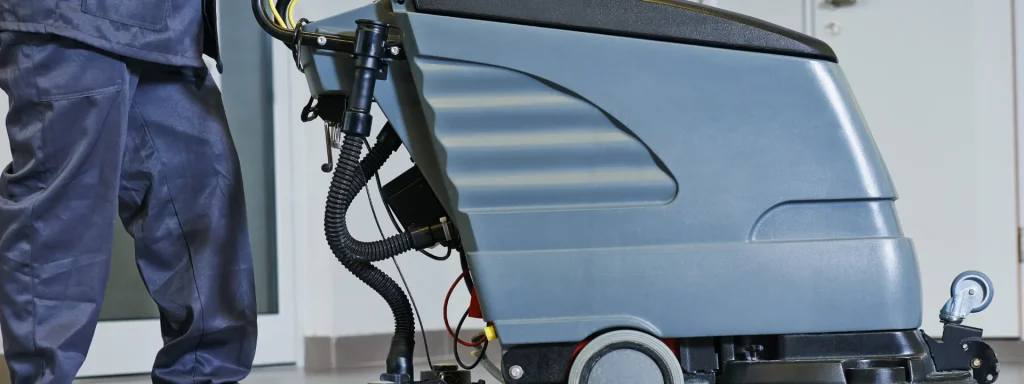
Running a medical office in Los Angeles is no small task. Between seeing patients, managing staff, and keeping up with paperwork, we can sometimes overlook cleanliness, but we shouldn’t. A clean clinic is not just about appearances. It directly affects patient safety, staff health, and even your practice’s reputation.
Medical office cleaning is the process of thoroughly sanitizing and disinfecting healthcare spaces to reduce the spread of germs, bacteria, and viruses. Unlike regular office cleaning, medical environments require a higher standard of care because sick and vulnerable patients walk through those doors every day.
What You’ll Learn in This Blog Article:
- Seven practical and easy-to-follow cleaning tips for medical offices
- How to maintain a safe, hygienic, and welcoming clinic environment
- Effective strategies tailored for busy healthcare settings
- Cleaning approaches suitable for both small practices and large clinics
- Simple habits to keep your space consistently clean and patient-ready
Why Medical Office Cleaning Matters More Than You Think
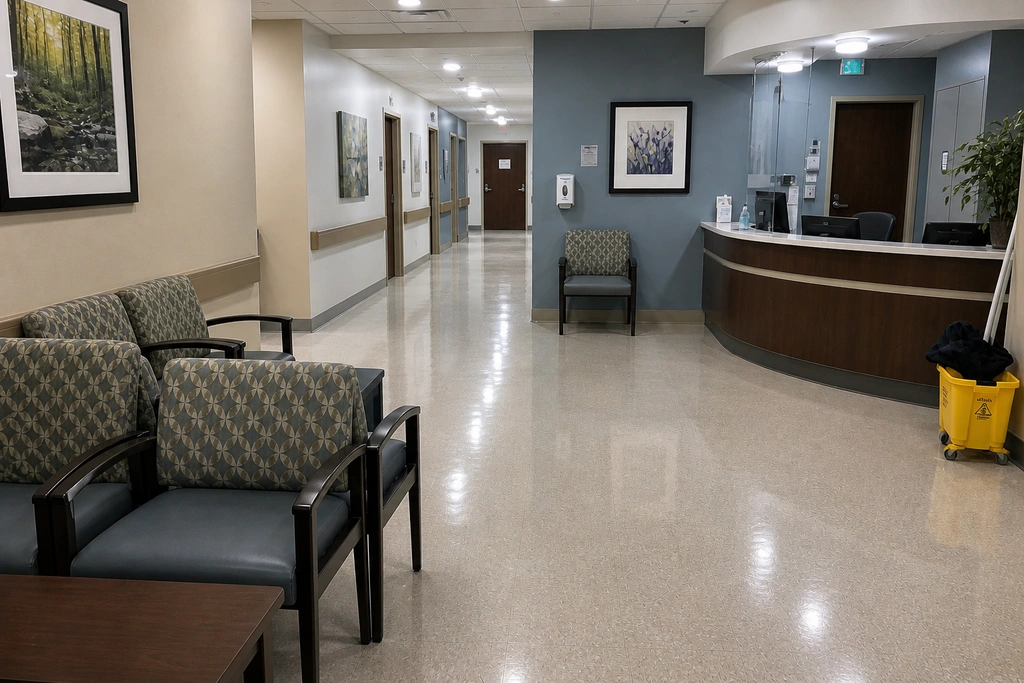
Hospitals and clinics are places where people go to get better, not to get sicker. Yet healthcare settings can quickly become hotspots for harmful germs if not properly maintained. In a busy Los Angeles clinic, dozens or even hundreds of patients may pass through daily, each bringing different bacteria and viruses with them.
A poorly cleaned medical office can lead to the following:
- Cross-contamination between patients
- Healthcare-associated infections (HAIs)
- Negative patient reviews and loss of trust
- Potential violations of health and safety regulations
The good news is that you can significantly reduce these risks with the right cleaning habits in place. Let’s dive into the tips.
1. Create a Daily Cleaning Checklist
Creating a daily checklist is one of the easiest ways to keep up with medical office cleaning. When things get busy, and in a clinic, they always do, it’s easy to forget areas that need attention.
Your daily cleaning checklist should cover the following areas:
- Waiting room: wipe down chairs, tables, and armrests
- Reception desk: sanitize countertops, keyboards, phones, and pens
- Exam rooms: disinfect exam tables, doorknobs, light switches, and any shared equipment
- Restrooms: clean toilets, sinks, faucet handles, and restock supplies
- Hallways and entryways: mop floors and wipe down high-touch surfaces
A written cleaning checklist keeps your team accountable and ensures that they miss nothing, even on the most hectic days.
2. Pay Extra Attention to High-touch Surfaces
In any medical office, people touch certain surfaces dozens of times a day. These are your highest-risk areas when it comes to spreading germs:
- Door handles and push plates
- Light switches
- Elevator buttons
- Waiting room chairs and armrests
- Clipboards and pens used by patients
- Countertops at the front desk
- Faucet handles in restrooms and exam rooms
These surfaces should be disinfected multiple times throughout the day, not just once in the morning. During flu season or periods of high patient volume, consider wiping them down every hour or two.
3. Use the Right Cleaning Products
Not all cleaning products are the same, especially in a medical setting. Using the wrong products can give you a false sense of security while germs continue to thrive.
Look for EPA-registered disinfectants that are proven effective against common pathogens found in healthcare settings. Products should be labeled effective against bacteria, viruses, and fungi. Always follow the manufacturer’s instructions, including letting the product sit on the surface for the recommended contact time before wiping it off.
If you are unsure which products to use, a professional medical office cleaning service can guide you in the right direction.
It helps to understand what cleaning products to use if you know the difference between cleaning, sanitizing, and disinfecting:
- Cleaning removes visible dirt and debris from a surface
- Sanitizing reduces the number of germs to a safe level
- Disinfecting kills germs on a surface using chemicals
In a medical office, you need to do all three, in that order.
4. Train Your Staff on Proper Cleaning Procedures
Even the best cleaning products won’t work if you use them incorrectly. Staff training is one of the most important, and most overlooked, parts of keeping a clinic clean.
The key topics you can cover during staff training are the following:
- Proper hand hygiene practices
- How to use personal protective equipment (PPE) such as gloves and masks
- How to correctly apply disinfectants
- How to safely handle and dispose of contaminated materials
- The difference between clinical waste and regular trash
Make sure your cleaning staff, whether in-house or contracted cleaners, fully understands these procedures. Regular refresher training sessions are a good idea, especially when new products or protocols are introduced.
5. Don’t Overlook the Waiting Room
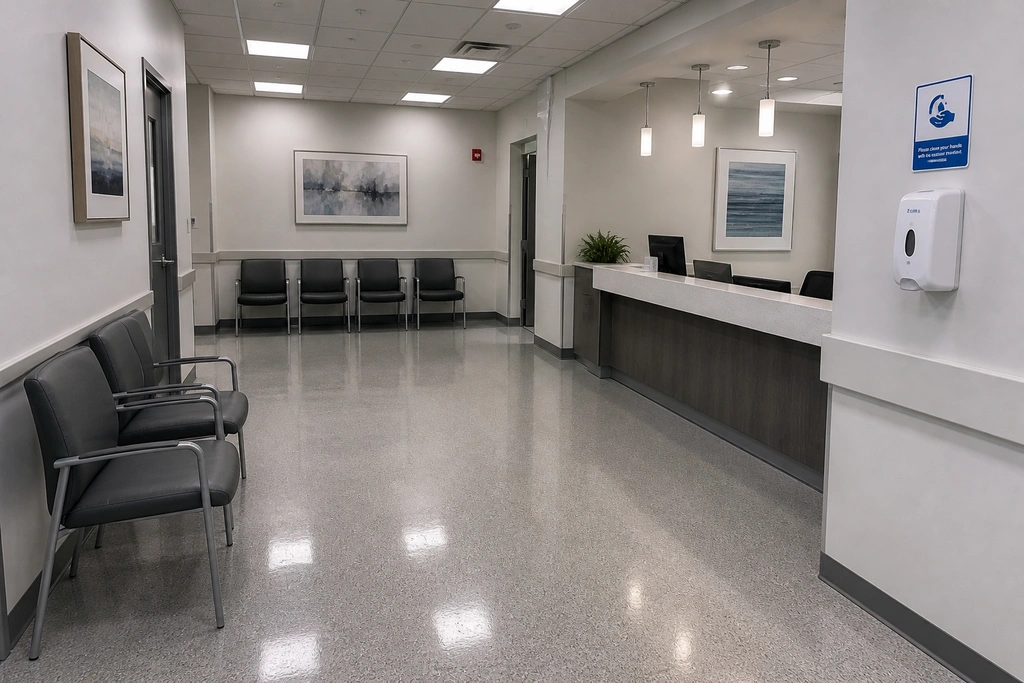
The waiting room is the first place your patients see when they walk in and one of the most germ-heavy areas in any clinic. Sick patients sit together, touch the same magazines, and breathe the same air.
Here are the simple ways to keep the waiting room safer:
- Remove shared magazines and replace them with individually wrapped reading materials or a TV screen
- Place hand sanitizer dispensers at the entrance and near seating areas
- Space out chairs to encourage social distancing when possible
- Clean and disinfect seating multiple times per day
- Use trash cans with lids and foot pedals so patients don’t have to touch them
A clean, organized waiting room also sends a powerful message to your patients: this clinic takes hygiene seriously.
6. Follow a Deep Cleaning Schedule
Daily cleaning keeps things manageable, but it is not enough on its own. Medical offices also need regular deep cleaning sessions to tackle areas that don’t get attention every day.
A thorough deep cleaning should cover the following areas:
- Floors: scrubbing grout lines, cleaning under furniture, and stripping and resealing hard floors
- Walls and baseboards: wiping down for dust, dirt, and splatter
- Vents and air ducts: dust and allergens build up here and affect air quality
- Behind and under equipment: medical equipment can harbor hidden bacteria
- Storage areas and supply closets: these areas are easy to ignore but need regular attention
For most busy Los Angeles clinics, a monthly deep clean is a reasonable starting point. High-traffic practices may benefit from a bi-weekly schedule. Professional medical office cleaning companies can assess your space and recommend the right frequency for your specific needs.
7. Work With a Professional Medical Office Cleaning Service
Managing a medical practice is a full-time job. Trying to oversee every aspect of cleaning on top of patient care can be overwhelming. This is where hiring a professional medical office cleaning company makes a real difference.
What to Look for in a Cleaning Company
Not every cleaning service is equipped to handle the unique demands of a medical environment. When choosing a provider, look for:
- Experience in medical or healthcare cleaning: they should understand clinical standards
- Knowledge of infection control protocols: this is non-negotiable
- Use of hospital-grade disinfectants: ask what products they use
- Background-checked and trained staff: your patients’ safety depends on it
- Flexible scheduling: cleaning should happen around your patient hours, not during them
Los Angeles is a large and diverse city with a constantly high demand for healthcare services. Local cleaning companies understand the specific regulations and health codes that apply to LA-based medical offices. They can also respond quickly when urgent cleaning needs arise, something that matters a great deal in a busy clinical setting.
Additional Tips:
Here are a few bonus tips that can make a big difference in maintaining a cleaner clinic:
- Post hygiene reminders: simple signage encouraging handwashing can reduce germ spread among patients and visitors
- Empty trash frequently: don’t wait until bins are full, especially in exam rooms and restrooms
- Separate clean and dirty zones: never store clean supplies near areas where contaminated materials are handled
- Monitor air quality: consider air purifiers with HEPA filters to reduce airborne pathogens
Do a weekly walk-through: have a manager or lead staff member inspect all areas to catch anything that might have been missed
Medical Clinics Need Local Cleaners in Los Angeles
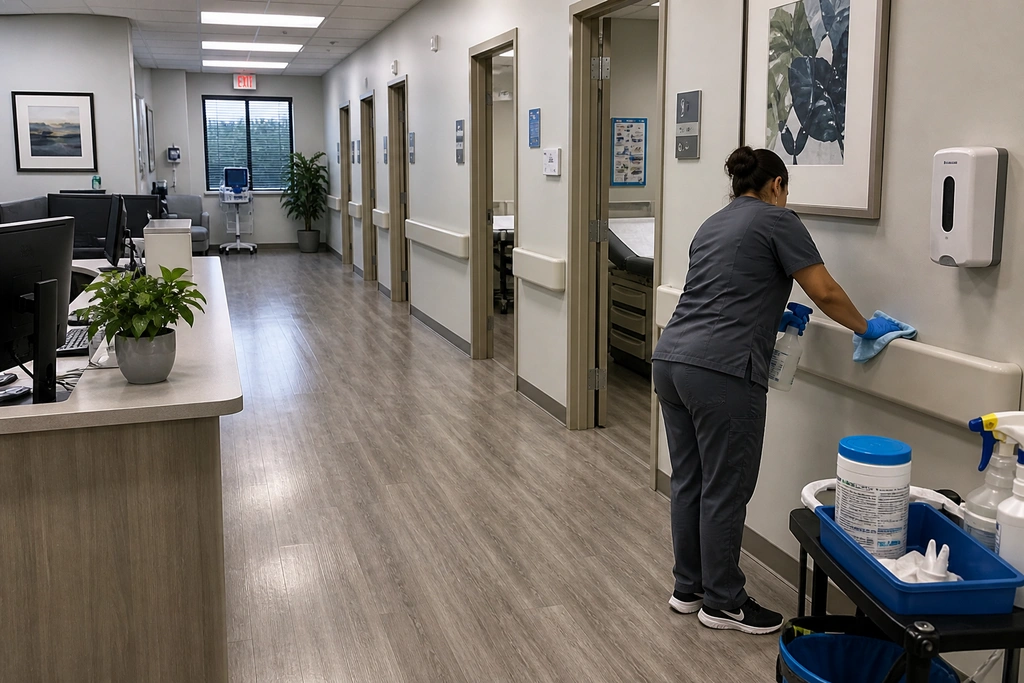
Keeping a medical office clean in a busy Los Angeles clinic is challenging, but it is absolutely essential. From wiping down high-touch surfaces multiple times a day to scheduling regular deep cleanings, every step you take helps protect your patients, your staff, and your practice.
Whether you are just starting to build your cleaning routine or looking to improve your current system, the seven tips in this blog post give you a solid foundation to work from. Consistency is key, and when things get too busy, there’s no shame in calling in cleaning professionals.
That’s where Blue Ant Cleaning Services comes in. As a trusted provider of professional medical office cleaning in Los Angeles, CA, we have the training, tools, and experience to keep your clinic spotless and compliant. Their team understands the high standards that healthcare environments demand and commits to delivering results that protect both patients and staff.Ready to take the cleanliness of your clinic to the next level? Contact Blue Ant Cleaning Services at (424) 289-6010 today and discover what a truly clean medical office looks like.